 |
| HOME |
_small.jpg) |
| PICTURE OF THE DAY |
 |
| NORTH EUROPEAN SHIPS |
.JPG) |
| SOUTH ATLANTIC AND CARRIBEAN |
 |
| INDIA AND INDIAN OCEAN |
 |
| NORTH AMERICAN SHIPS |
 |
| FAR EAST AND AUSTRALIA |
 |
| MEDITERRANEAN AND MIDDLE EAST |
 |
| ARTICLES AND FEATURES |
 |
| NEWS AND VIEWS |
  |
| PUBLICATIONS |
 |
| WEBCAM |
|
|
||||||||||||||||||||||||||||||||||||||||||||||||||||||||||||||||||||||||||||||||||||||||||||||||||||||||||||||||||||||||||||||||||||||||||||||||||||||||||||||||||||||||||||||||||||||||||||||||||||||||||||||||||||||||||||||||||||||||||||||||||||||||||||||||||||||||||||||
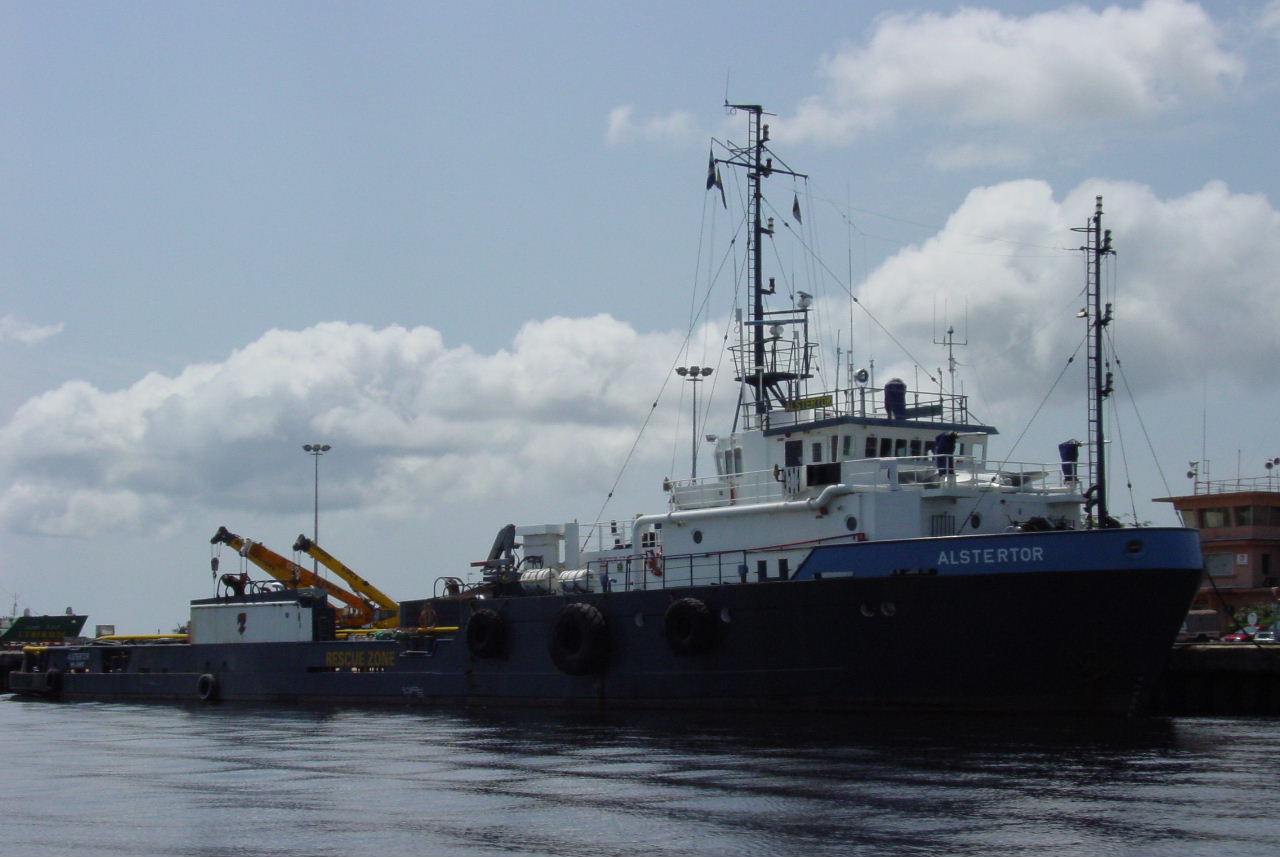

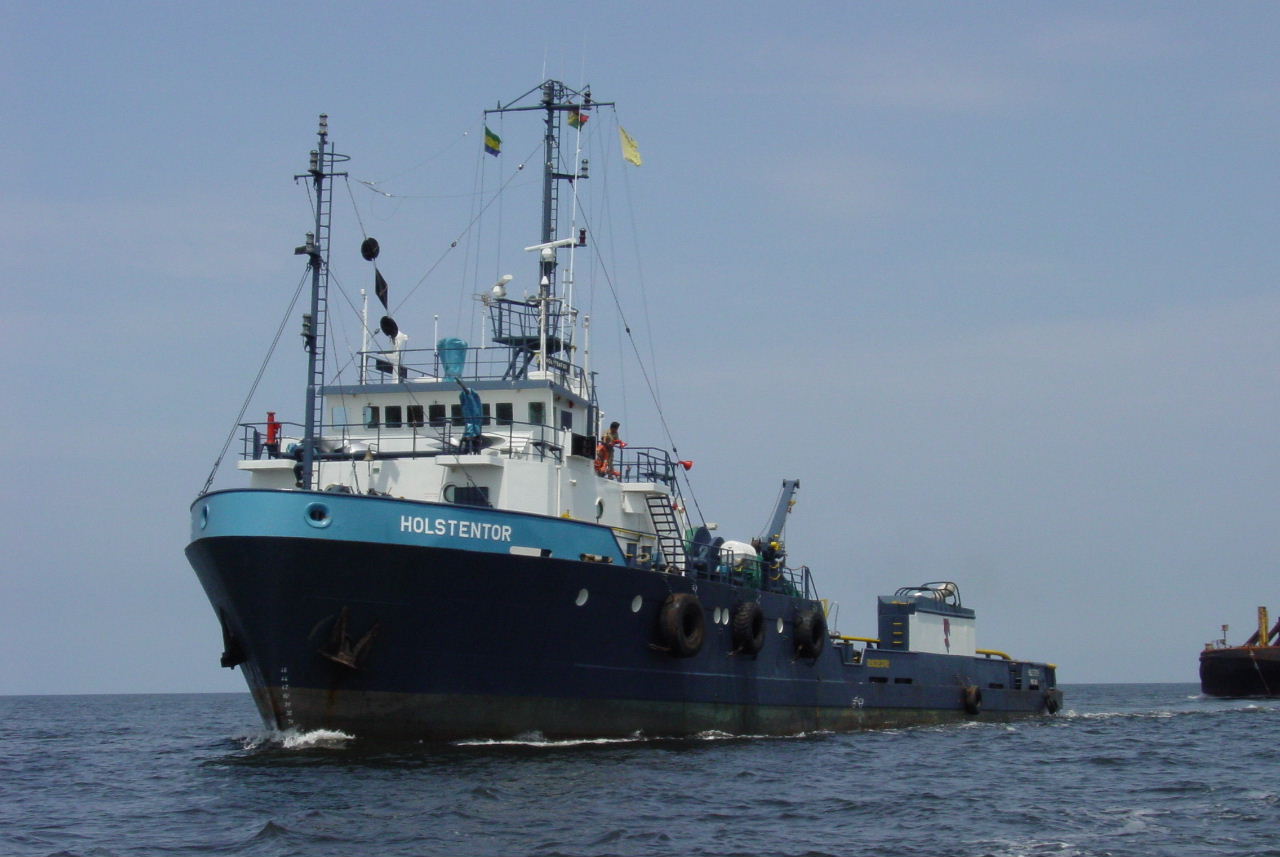
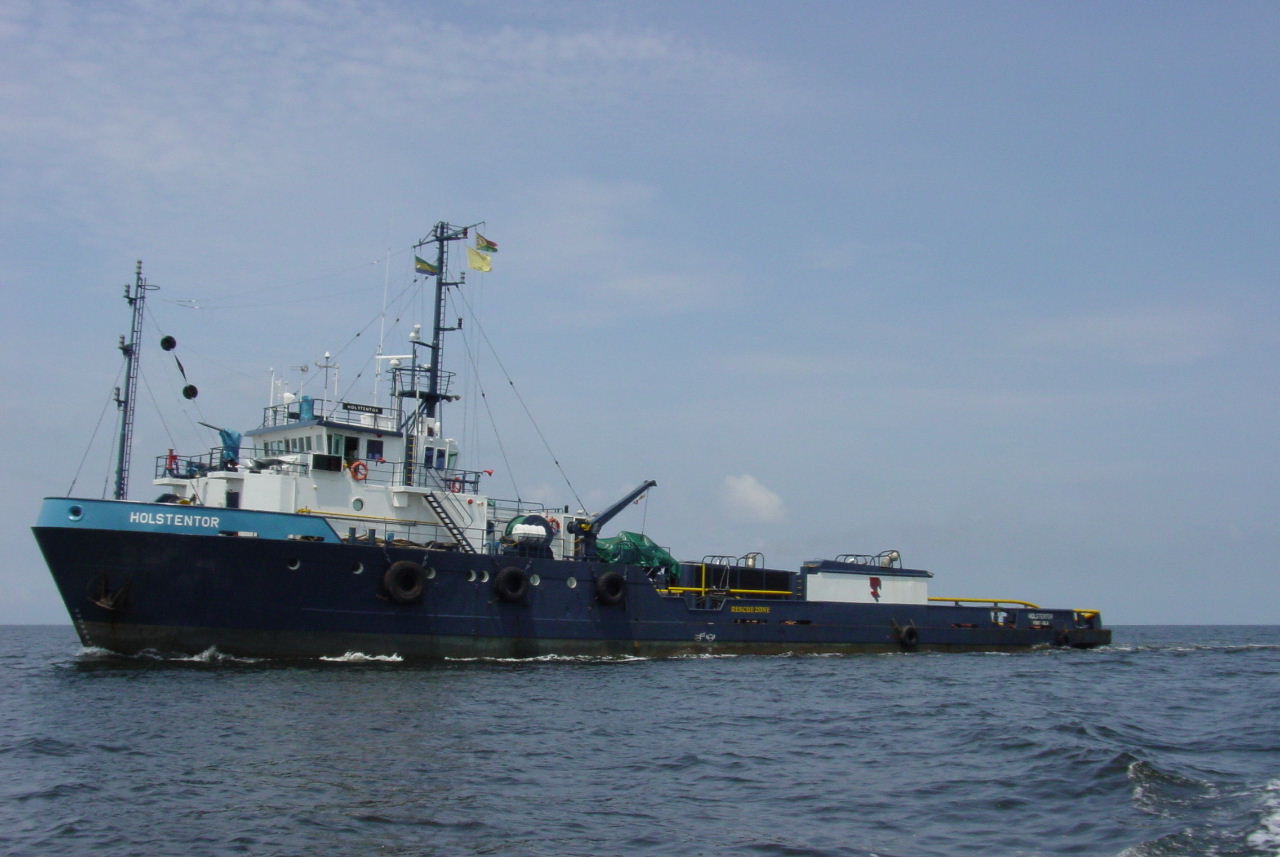
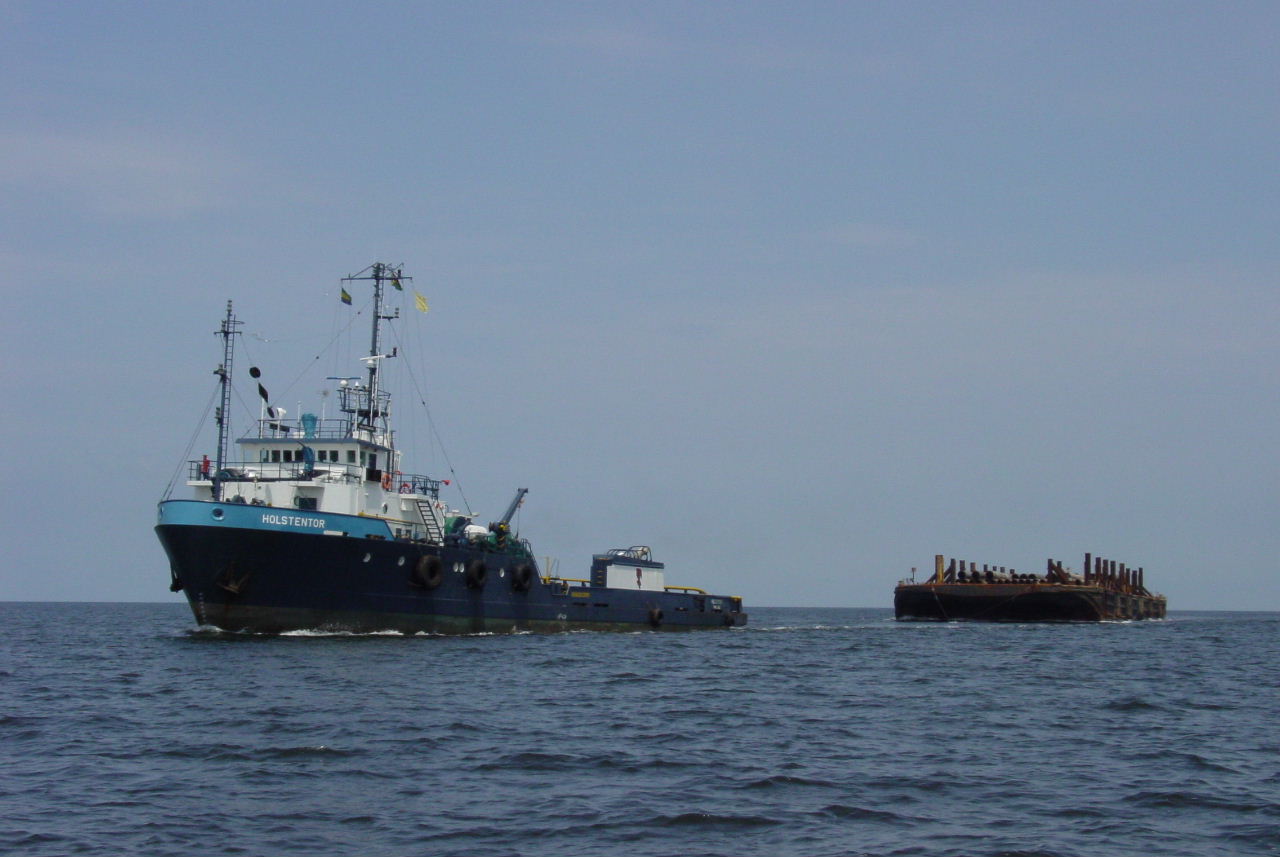
%20@%20j.plug.JPG)
%20@%20j.plug.JPG)
%20@%20j.plug.JPG)
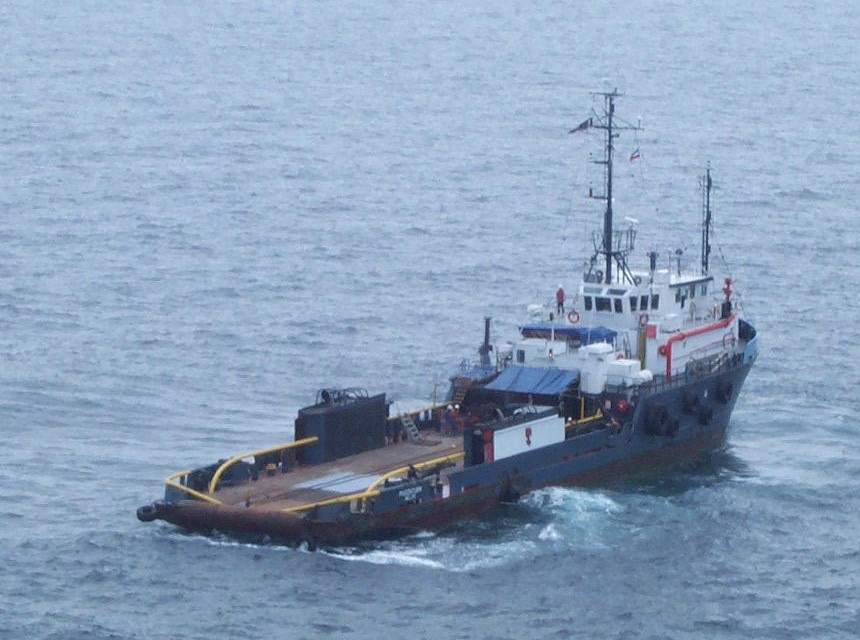
TYPE: OSA AS55 NAME: Pagenturm PHOTO: Jan Plug, Hans Bosch, Oddgeir Refvik GENERAL
PROPULSION
EQUIPMENT
Length OA 57.3 m Engines 2 x Yanmar 8Z Workdrum pull 100 tonnes Breadth 12.3 m BHP 4000 tonnes Capacity 1 600m x 50mm DWT 1018 tonnes For'd Thruster 320 bhp Capacity 2 Deck area 263.5 m2 Az Thruster Towdrum pull Fuel 538 m3 Aft Thrusters Capacity 1 600m x 50mm- Pot water 140 m3 Bollard pull 55 tonnes Capacity 2 Mud 218 m3 Sharks Jaw Base oil DP Cranes Brine Joystick Tank Cleaning None Dry bulk 112 m3 Year built 1983 Shipyard Hitzler Werft Previous names Comments
TYPE: OIL Mk III NAME: OIL MARINER PHOTO: Vic Gibson GENERAL
PROPULSION
EQUIPMENT
Length OA 59.5 m Engines 2 x English Electric Workdrum pull 178 t Breadth 13.0 m BHP 6700 Capacity 1 915m x 56mm DWT 1062 t kW 4926 Capacity 2 - Deck area 330 m2 For'd Thruster - Towdrum pull 178 t Fuel 422 m3 Az Thruster 1 x 500 bhp Capacity 1 915m x 56mm Pot water 186 m3 Aft Thrusters - Capacity 2 - Mud - Bollard pull 81 t Sharks Jaw - Brine - DP - Cranes - Dry bulk 159 m3 Joystick - Tank cleaning - Year built 1973 Shipyard Ysselwerf Berths 23 Previous names - Comments -
TYPE: OIL Mk III NAME: OIL DRILLER PHOTO: GENERAL
PROPULSION
EQUIPMENT
Length OA 59.5 m Engines 2 x English Electric Workdrum pull 178 t Breadth 13.0 m BHP 6700 Capacity 1 915m x 56mm DWT 1062 t kW 4926 Capacity 2 - Deck area 330 m2 For'd Thruster - Towdrum pull 178 t Fuel 422 m3 Az Thruster 1 x 500 bhp Capacity 1 915m x 56mm Pot water 186 m3 Aft Thrusters - Capacity 2 - Mud - Bollard pull 81 t Sharks Jaw - Brine - DP - Cranes - Dry bulk 159 m3 Joystick - Tank cleaning - Year built 1973 Shipyard Ysselwerf Berths 23 Previous names - Comments -

%20@%20j.plug.JPG)

|
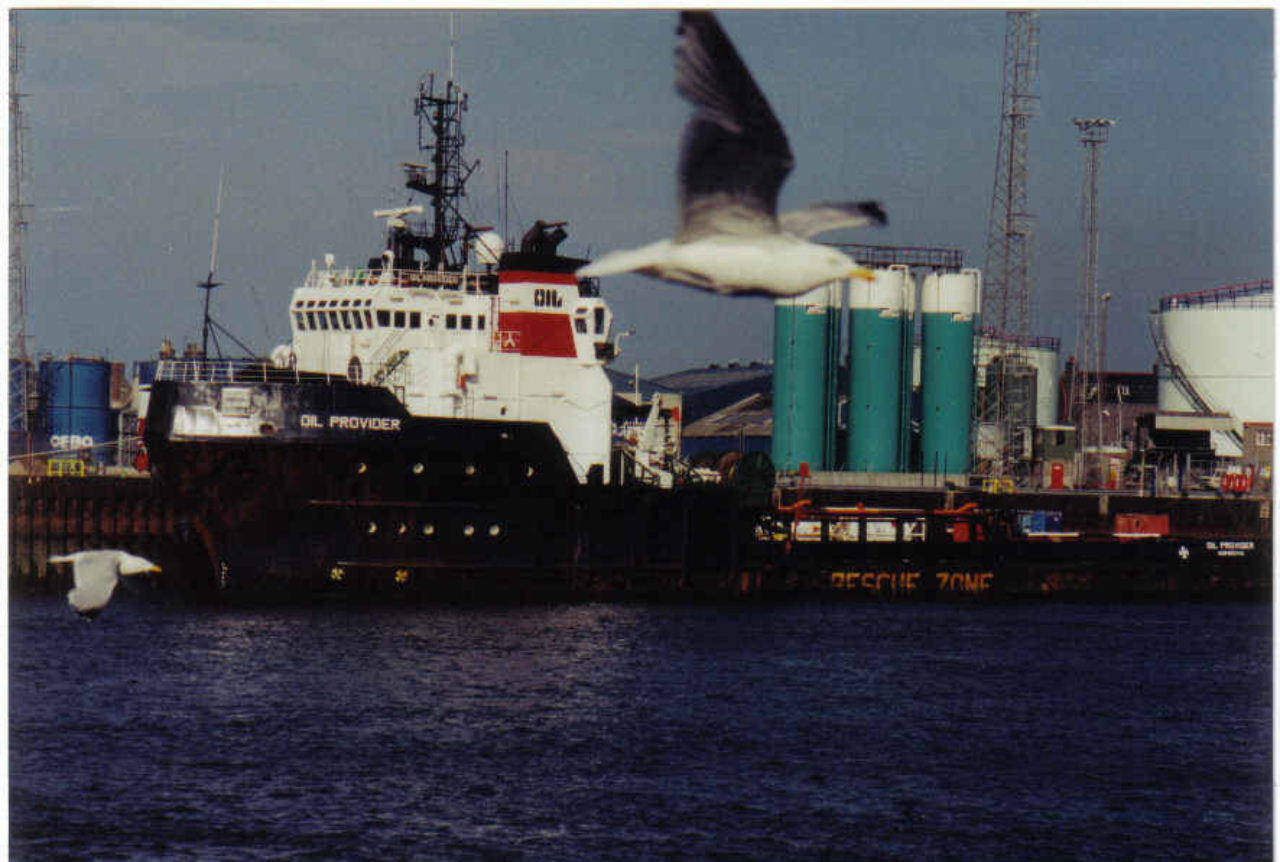
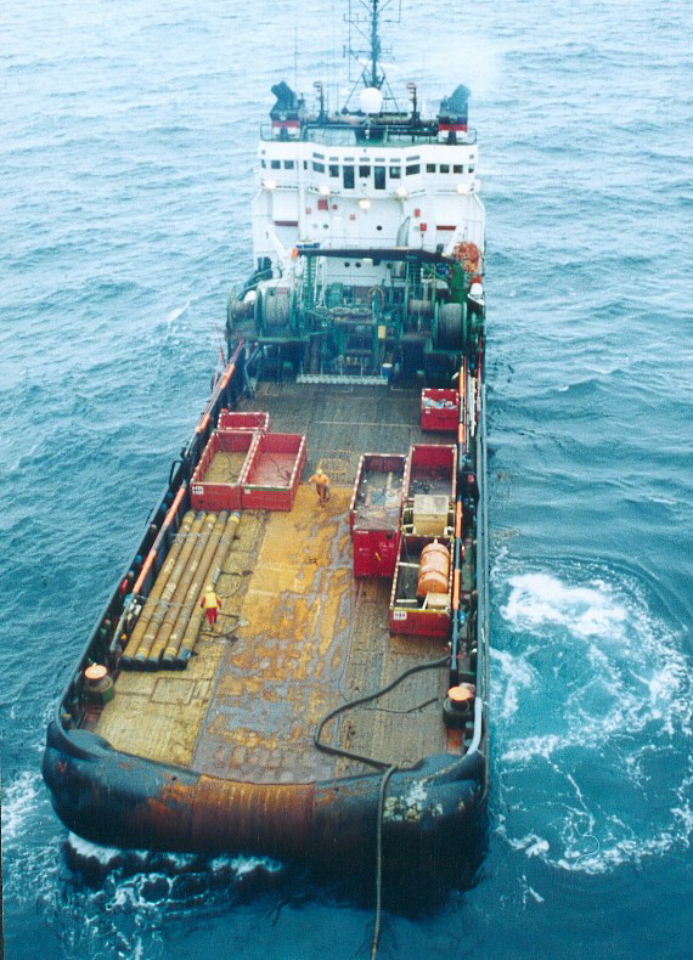
TYPE: ME 303 |
NAME: Oil Provider |
PHOTO: Kenny Polson, Vic Gibson |
|||
 |
 |
||||
|
GENERAL |
PROPULSION |
EQUIPMENT |
|||
| Length OA | 67.87m | Engines | 4 x Wichmann | Workdrum pull | |
| Breadth | 15.6m | BHP | 12320 | Capacity 1 | 1500m x 64mm |
| DWT | 2042t | For'd Thruster | 2 x 815 bhp | Capacity 2 | 1500m x 64mm |
| Deck area | 476.16 | Az Thruster | Towdrum pull | ||
| Fuel | 977m3 | Aft Thrusters | 1 x 815 bhp | Capacity 1 | 1500m x 64mm |
| Pot water | 609m3 | Bollard pull | 135 tonnes | Capacity 2 | |
| Mud | 267m3 | Sharks Jaw | |||
| Brine | DP | Cranes | |||
| Dry bulk | 222m3 | Joystick | Hjelseth | Tank cleaning | |
| Year built | 1984 | Shipyard | Dae Dong, Korea | ||
| Previous names | Edda Sun, Star Orion, Troms Tjell | ||||
| Comments | This ship was originally built as the Edda Sun, but did not leave the yard until it was purchased by Star Offshore as the Star Orion. It was then bought by TFDS before being purchased by OIL. | ||||
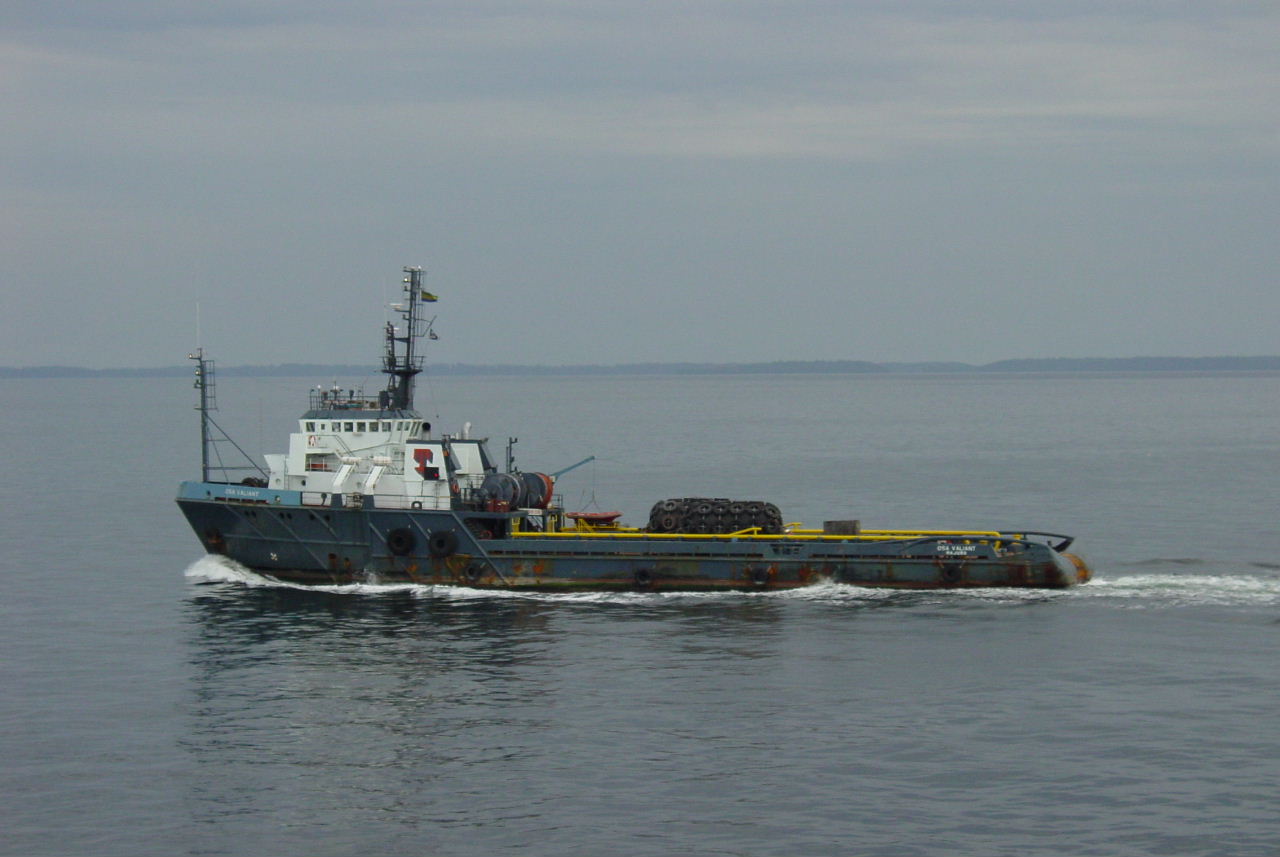
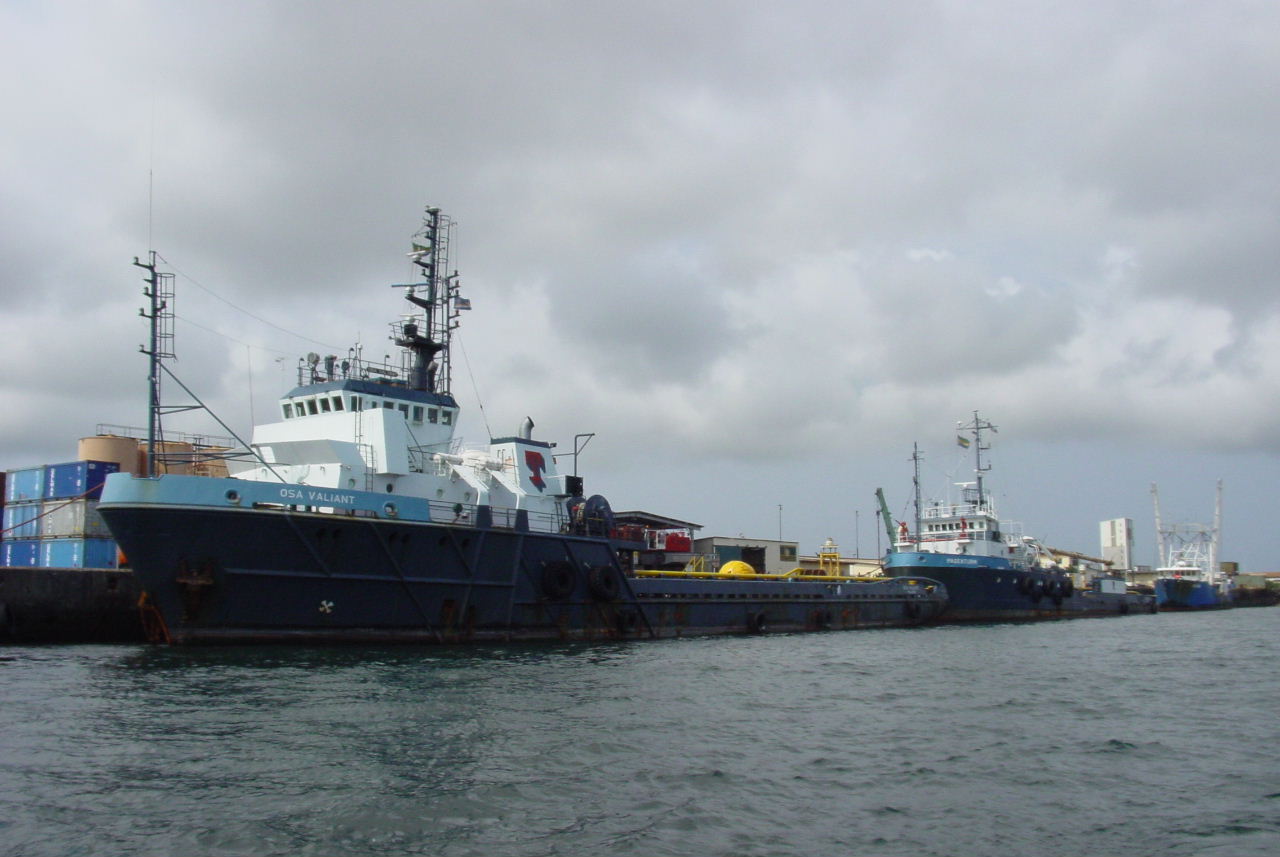
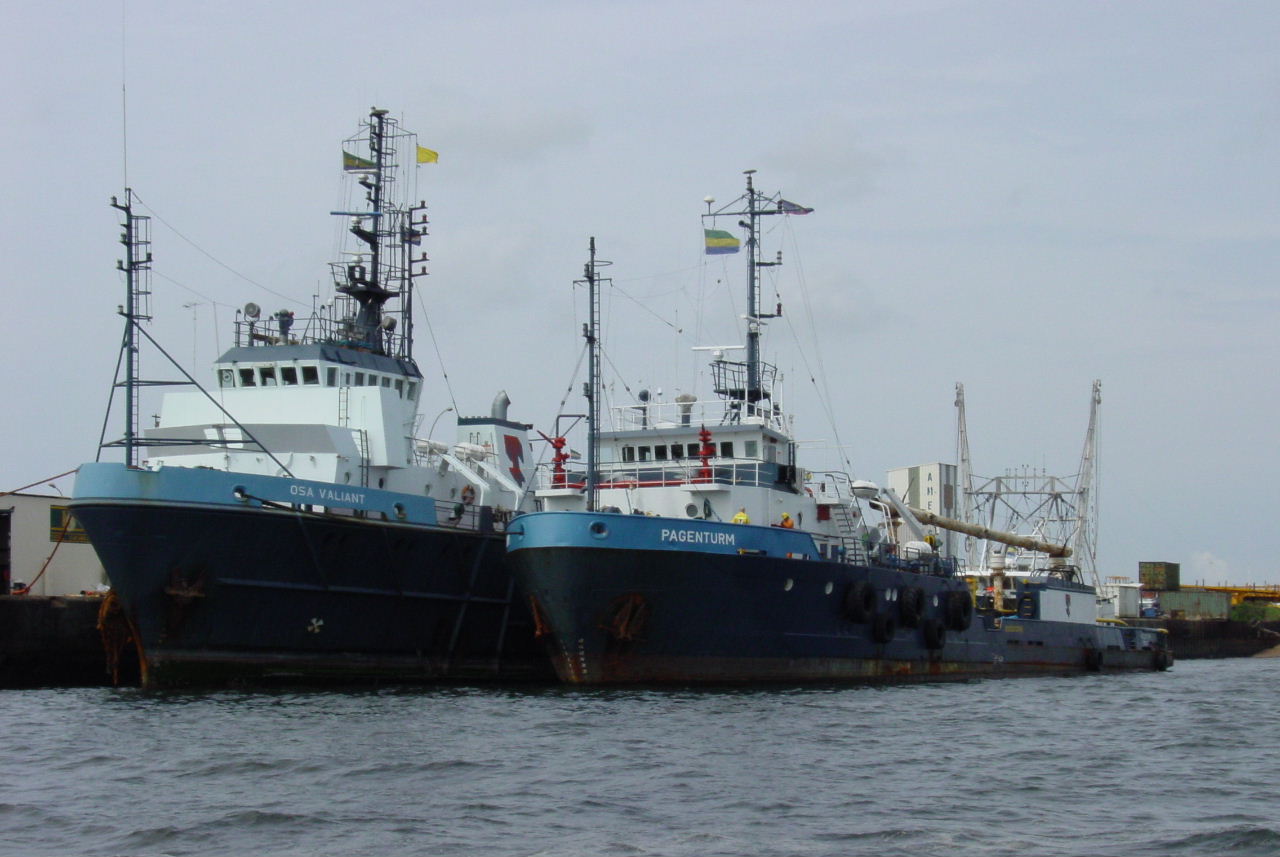
| TYPE: UT 704 | NAME: Oil Valiant | PHOTO: - | |||
 |
 |
 |
|||
|
GENERAL |
PROPULSION |
EQUIPMENT |
|||
| Length OA | 64.67 m | Engines | 2 x MAK | Workdrum pull | 250 t |
| Breadth | 13.8 m | BHP | 8020 | Capacity 1 | 1000m x 56mm |
| DWT | 1856 t | kW | 5900 | Capacity 2 | - |
| Deck area | 429 m2 | For'd Thruster | 1 x 670 bhp | Towdrum pull | 250 t |
| Fuel | 592 m3 | Az Thruster | - | Capacity 1 | 1400m x 56mm |
| Pot water | 255 m3 | Aft Thrusters | - | Capacity 2 | - |
| Mud | 334 m3 | Bollard pull | 105 t | Sharks Jaw | Karforks |
| Brine | - | DP | - | Cranes | - |
| Dry bulk | 170 m3 | Joystick | - | Tank cleaning | - |
| Year built | 1982 | Shipyard | Husumer | ||
| Previous names | Balder Heide, British Emerald, Lancelot Bay | ||||
| Comments | - | ||||
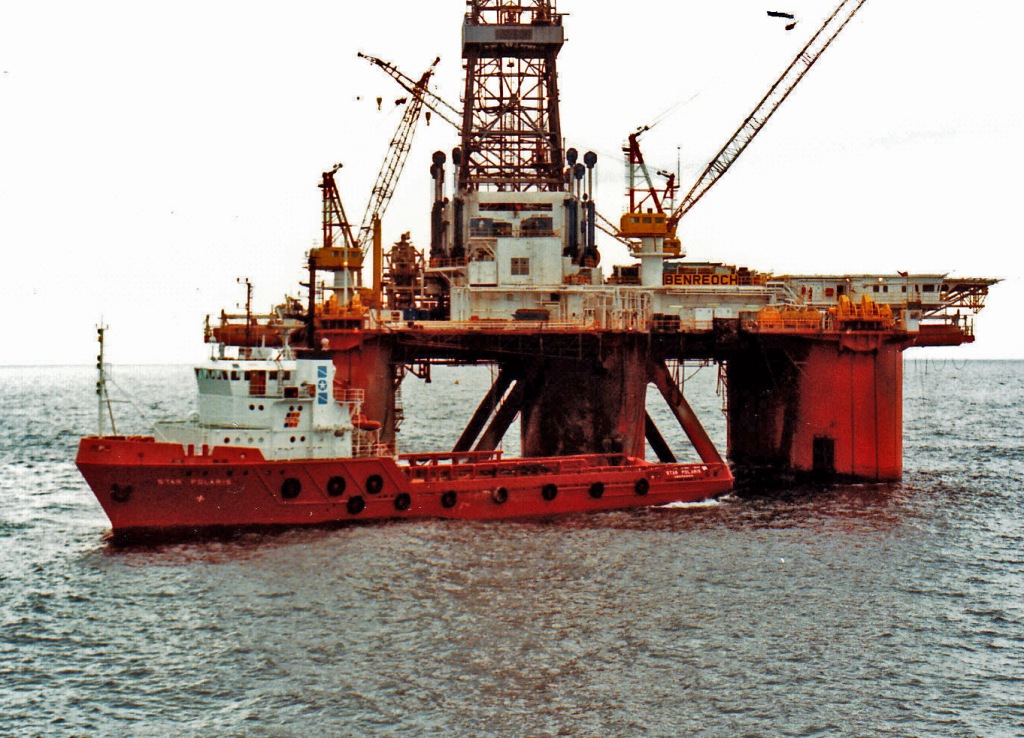
TYPE: UT 704 MK III |
NAME: Oil Vibrant |
PHOTO: George Craigen |
|||
 |
|||||
GENERAL |
PROPULSION |
EQUIPMENT |
|||
| Length OA | 64.55 m | Engines | 2 x Wartsila | Workdrum pull | 300 tonnes |
| Breadth | 13.8 m | BHP | 9000 | Capacity 1 | 1000m x 56mm |
| DWT | 1869 tonnes | For'd Thruster | 1 x 800 bhp- | Capacity 2 | 1000m x 56mm |
| Deck area | 418 m2 | Az Thruster | Towdrum pull | ||
| Fuel | 880 m3 | Aft Thrusters | Capacity 1 | 1200m x 64mm | |
| Pot water | 450 m3 | Bollard pull | 110 tonnes | Capacity 2 | |
| Mud | 215 m3 | Sharks Jaw | Ulstein | ||
| Brine | DP | Cranes | |||
| Dry bulk | 226 m3 | Joystick | Seimans | Tank cleaning | No |
| Year built | 1983 | Shipyard | Ulstein Verft | ||
| Previous names | Star Polaris (Photo) | ||||
| Comments | |||||
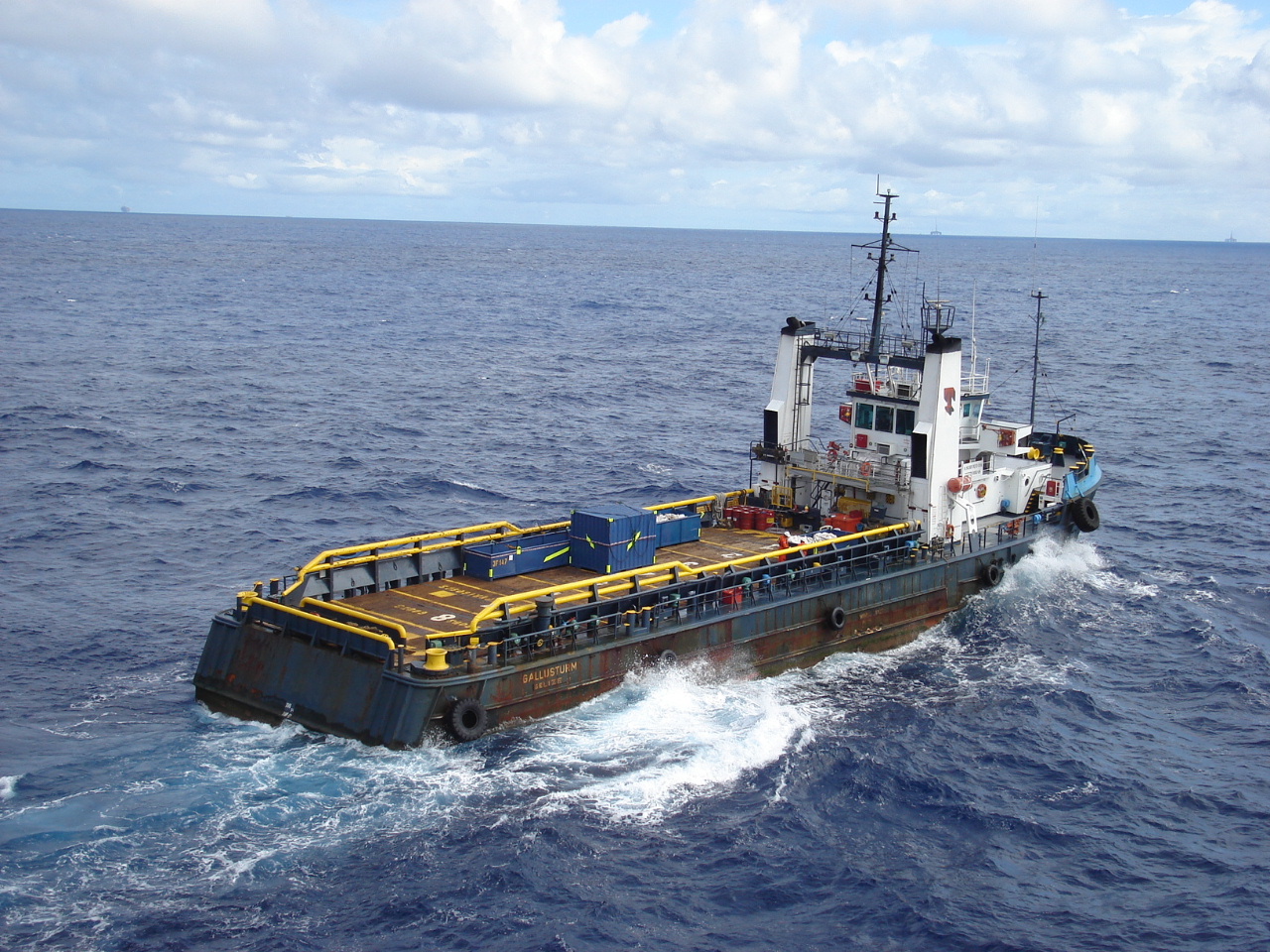
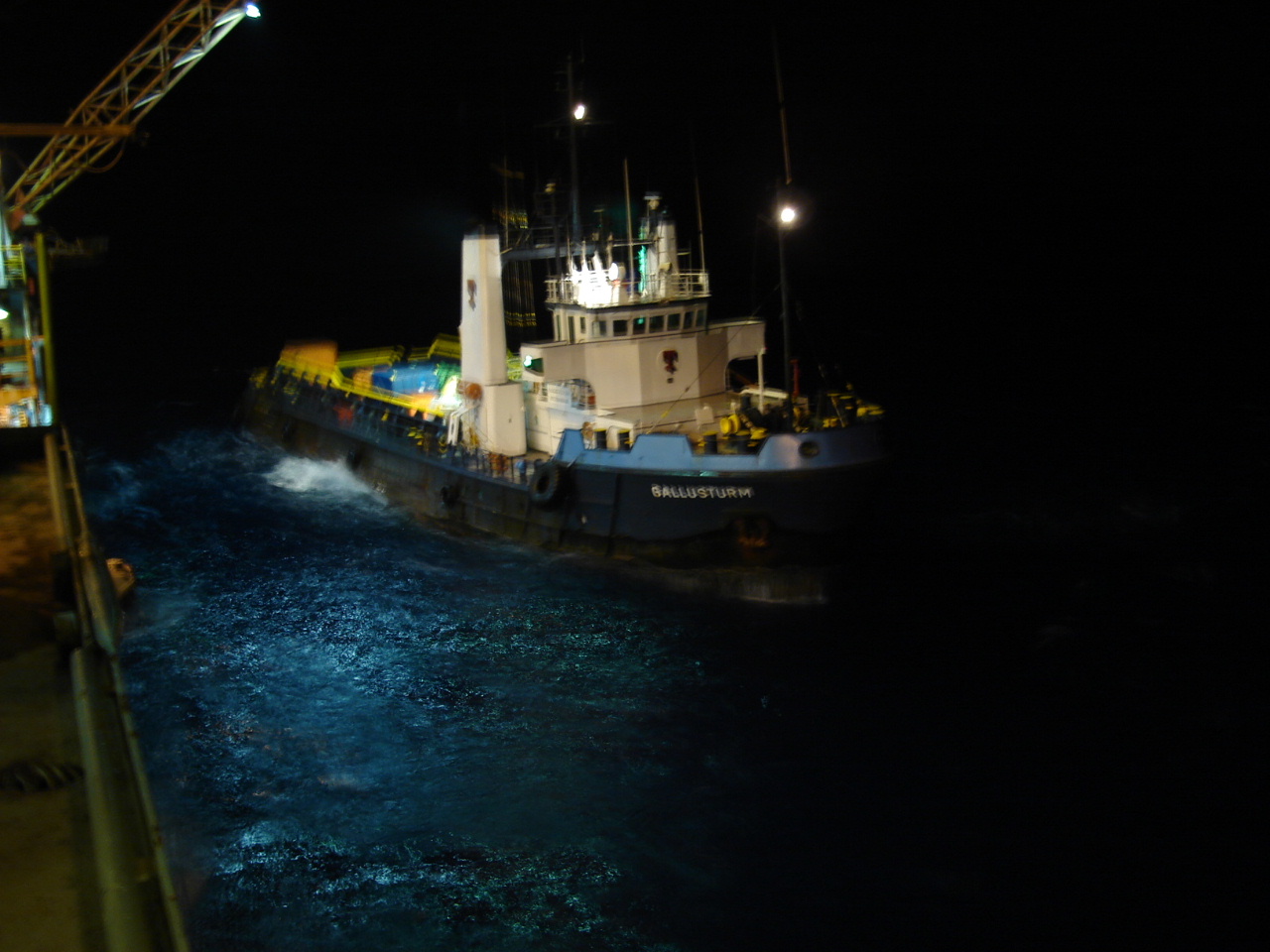
| TYPE: OSA PS45 | NAME: Gallusturm | PHOTO: | |||
 |
 |
 |
|||
| GENERAL | PROPULSION | CARGO CAPACITY | |||
| Length OA | 56.2 m | Engines | 2 x MWM | Fuel | 525 m3 |
| Breadth | 14.3 m | BHP/kW | 3500/2570 | Pot water | 540 m3 |
| DWT | 1497 t | For'd Thrusters | 1 x610 | Mud | 174 m3 |
| Deck area | 310 m2 | Az Thruster | - | Base oil | - |
| Aft Thrusters | - | Brine | - | ||
| Year built | 1978 | Joystick | AEG | Dry bulk | 212 m3 |
| Shipyard | Hitzler Verft | DP | - | Tank Cleaning | - |
| Previous names | - | ||||
| Comments | - | ||||
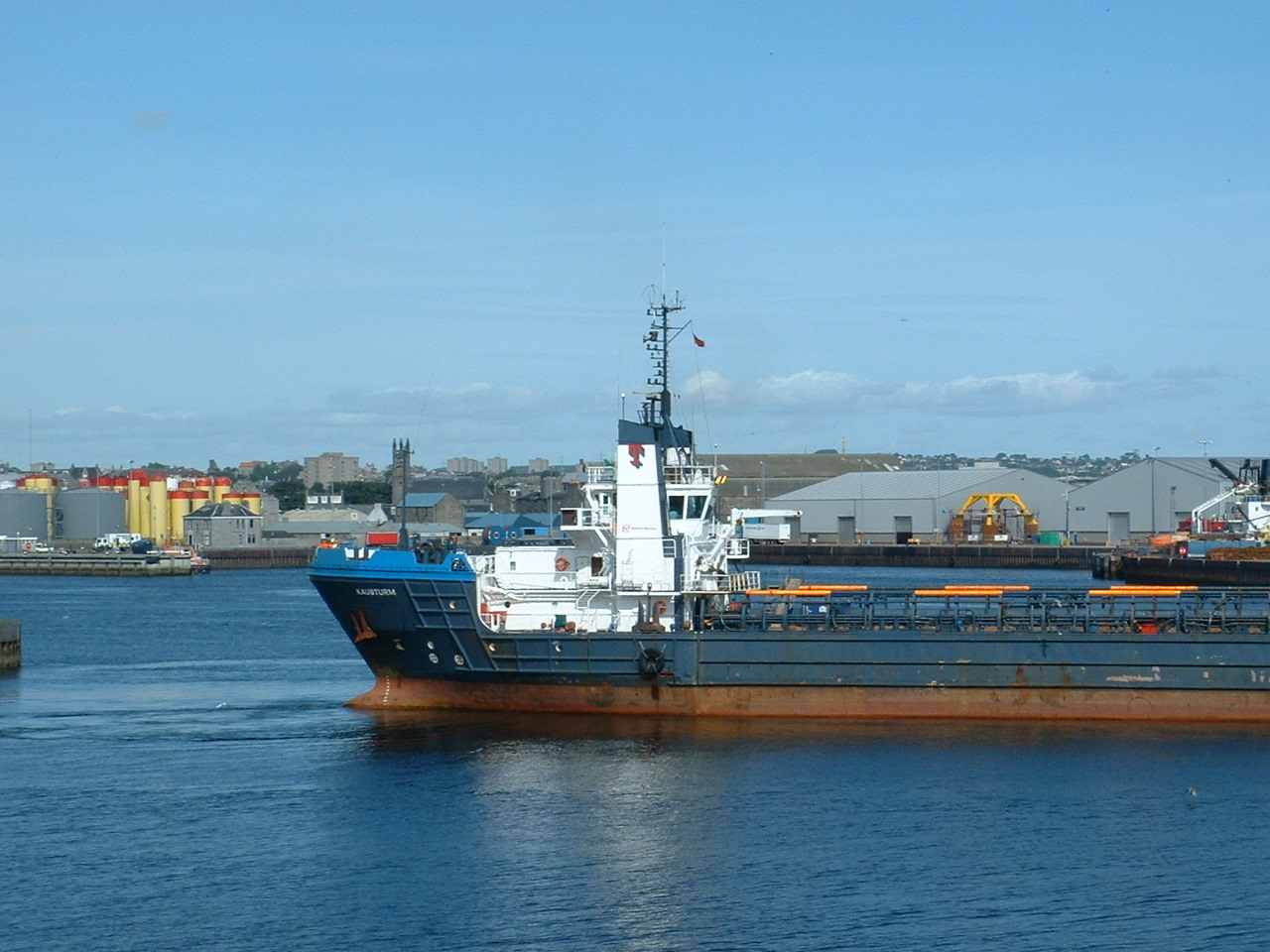
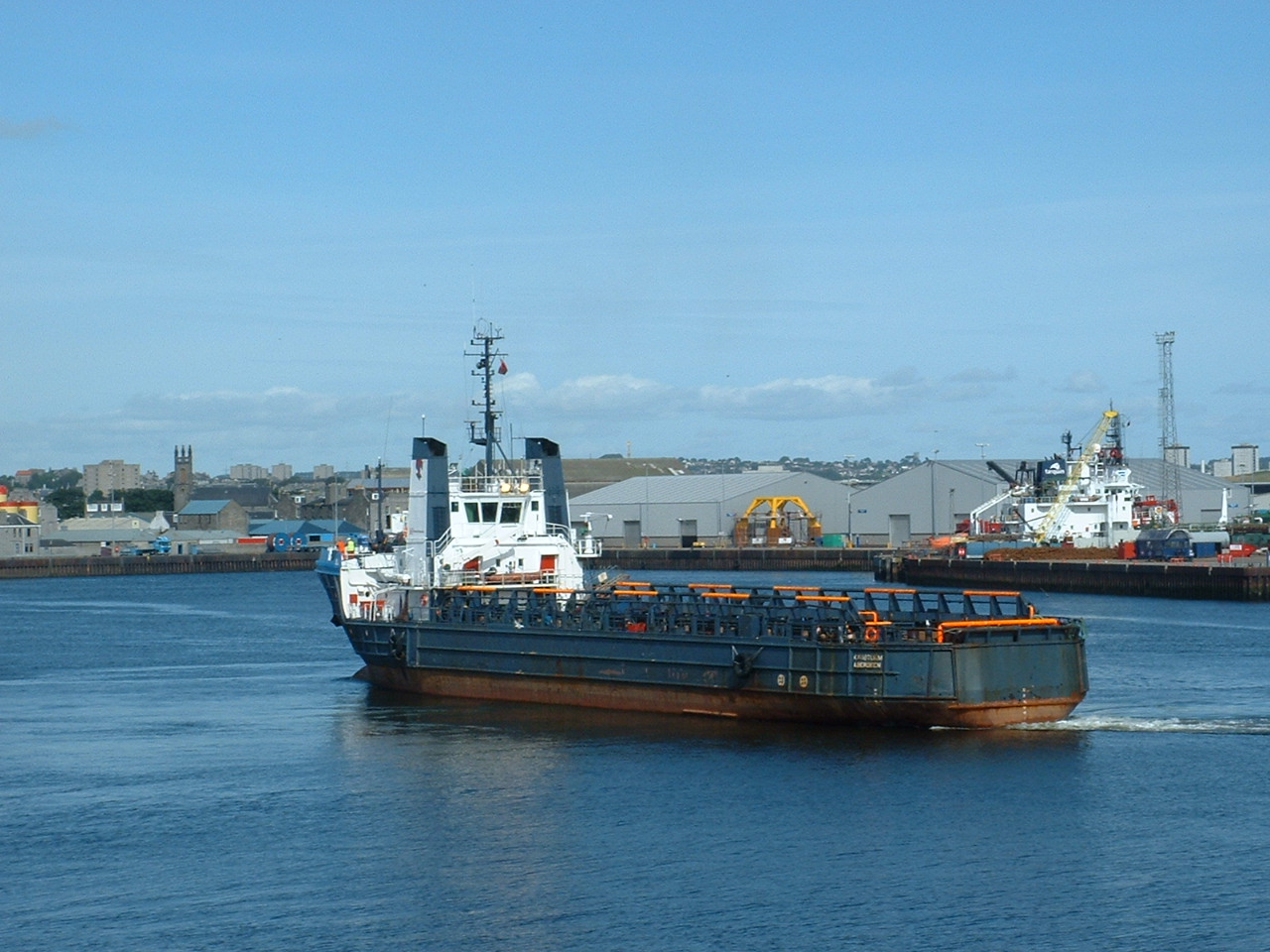
| TYPE: OSA OP7000 | NAME: Kaubturm | PHOTO: Vic Gibson | |||
 |
 |
 |
|||
| GENERAL | PROPULSION | CARGO CAPACITY | |||
| Length OA | 78.85 m | Engines | 2 x KHD | Fuel | 1300 m3 |
| Breadth | 15.22 m | BHP | 6000 | Pot water | 633 m3 |
| DWT | 2652 t | For'd Thrusters | 2 x 600 bhp | Mud | 524 m3 |
| Deck area | 582.4 m2 | Az Thruster | Base oil | ||
| Aft Thrusters | 2 x 300 bhp | Brine | |||
| Year built | 1978 | Joystick | AEG | Dry bulk | 348 m3 |
| Shipyard | Surken GmBH | DP | Tank Cleaning | ||
| Previous names | |||||
| Comments | Have a look at the amazing carrying capacity of this ship and then the year built!! | ||||
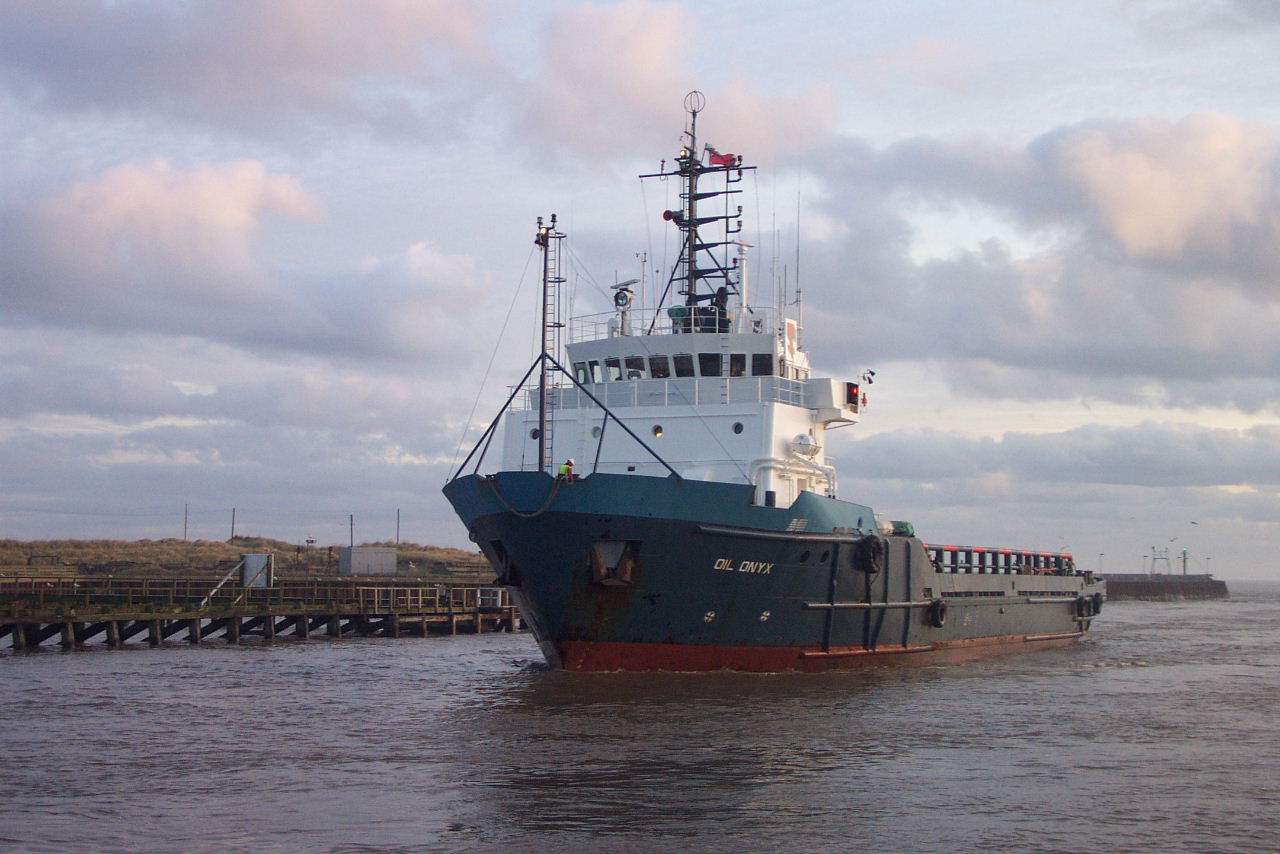
| TYPE:SK 60/17 | NAME: Oil Onyx | PHOTO: Vic Gibson, Peter Taylor | |||
 |
 |
 |
|||
| GENERAL | PROPULSION | CARGO CAPACITY | |||
| Length OA | 60.0 m | Engines | 2 x B&W Alpha | Fuel | 527 m3 |
| Breadth | 14.4 m | BHP/kW | 4240/3120 | Pot water | 626 m3 |
| DWT | 2120 t | For'd Thrusters | 2 x 500 bhp | Mud | 405 m3 |
| Deck area | 446.25 m2 | Az Thruster | Base oil | ||
| Aft Thrusters | 1 x 600 bhp | Brine | |||
| Year built | 1982 | Joystick | Poscon | Dry bulk | 192 m3 |
| Shipyard | Paul Lindenau | DP | Tank Cleaning | ||
| Previous names | Stout Truck | ||||
| Comments | |||||
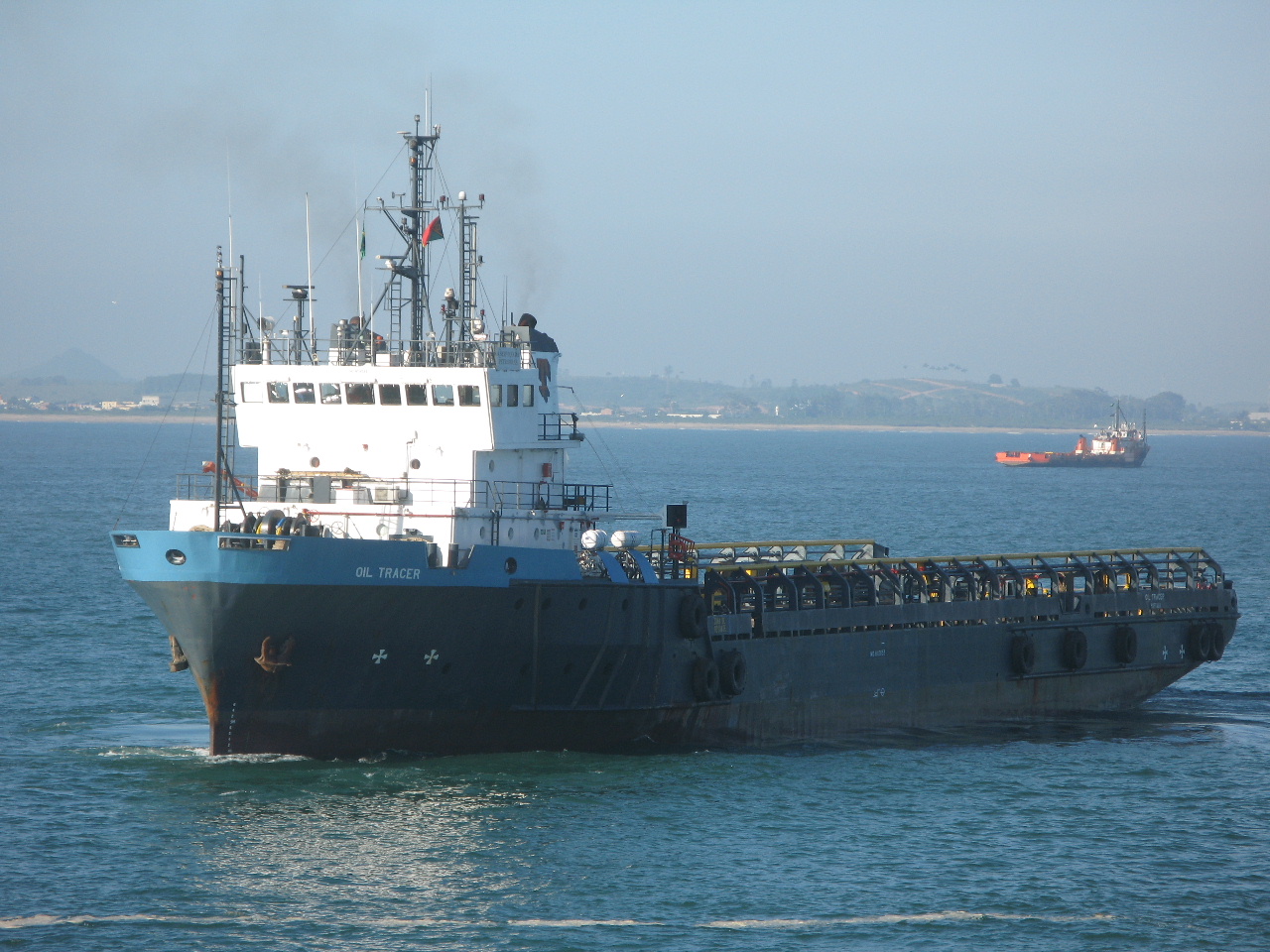
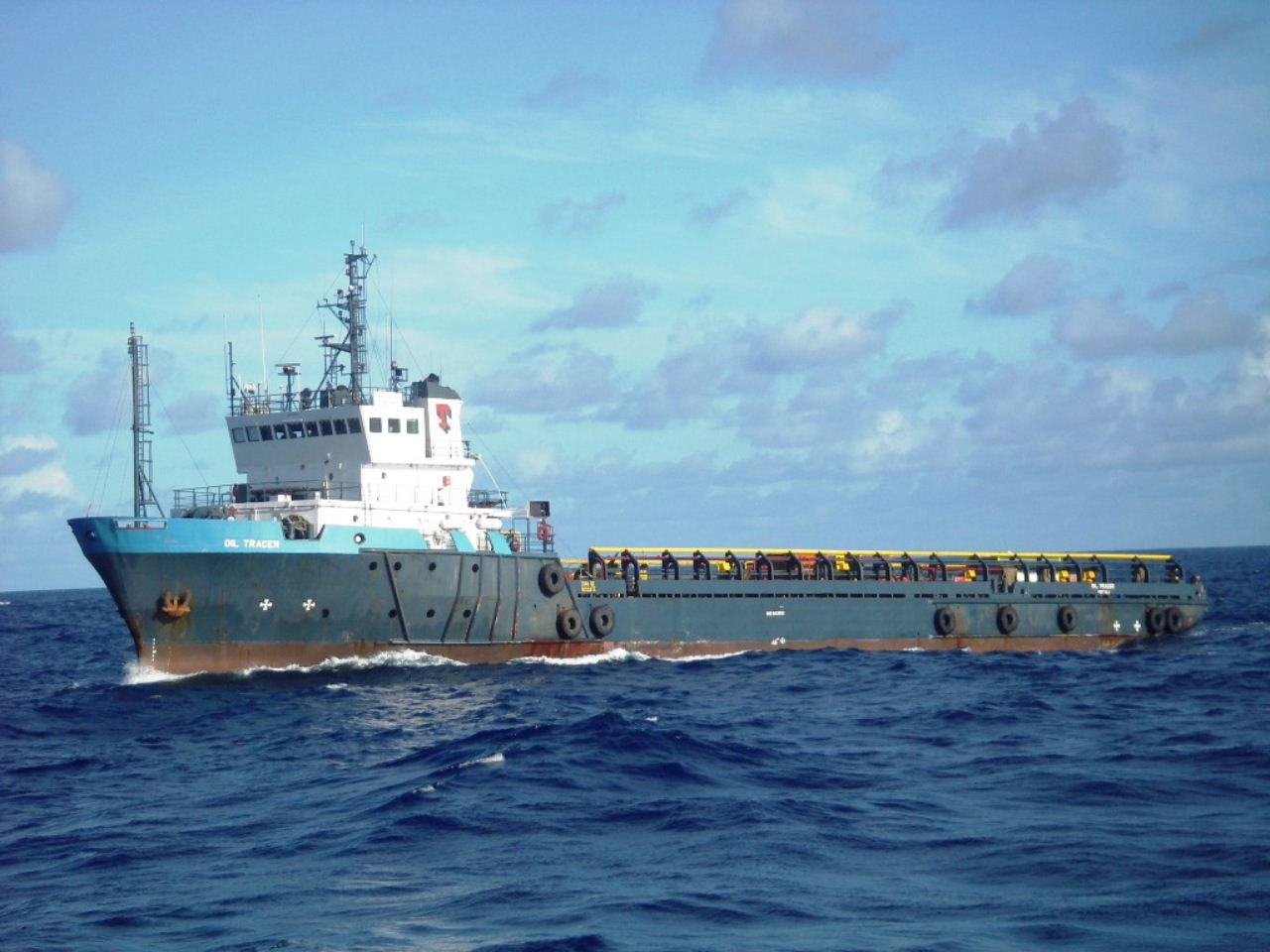
| TYPE: UT 706 L | NAME: Oil Tracer | PHOTO: Tony Poll, Torleif Klokset | |||
 |
 |
 |
|||
| GENERAL | PROPULSION | CARGO CAPACITY | |||
| Length OA | 84.6 m | Engines | 2 x MAK | Fuel | 1358 m3 |
| Breadth | 17.5 m | BHP/kW | 5400/3970 | Pot water | 1256 m3 |
| DWT | 3325 t | For'd Thrusters | 2 x 800 bhp | Mud | 906 m3 |
| Deck area | 663 m2 | Az Thruster | - | Base oil | - |
| Aft Thrusters | 2 x 800 bhp | Brine | - | ||
| Year built | 1986 | Joystick | Ulstein | Dry bulk | 382 m3 |
| Shipyard | Sterkoder | DP | - | Tank Cleaning | - |
| Previous names | British Viking, Balder Grip, Lowland Prowler | ||||
| Comments | - | ||||
| TYPE: Edda Type | NAME: Oil Trader | PHOTO: | |||
 |
|||||
| GENERAL | PROPULSION | CARGO CAPACITY | |||
| Length OA | 71.2 m | Engines | 2 x MAK | Fuel | 922 m3 |
| Breadth | 17.5 m | BHP/kW | 4800/3530 | Pot water | 766 m3 |
| DWT | 2717 t | For'd Thrusters | 2 x 600 bhp | Mud | 406 m3 |
| Deck area | 609 m2 | Az Thruster | - | Base oil | - |
| Aft Thrusters | 2 x 600 bhp | Brine | - | ||
| Year built | 1981 | Joystick | Simrad | Dry bulk | 350 m3 |
| Shipyard | Hjorungavaag | DP | ADP200 | Tank Cleaning | - |
| Previous names | Edda Fram, Edda Freya | ||||
| Comments | The only picture we have is one taken after the ship had collided with a platform off Nigeria which was circulated on the internet. | ||||
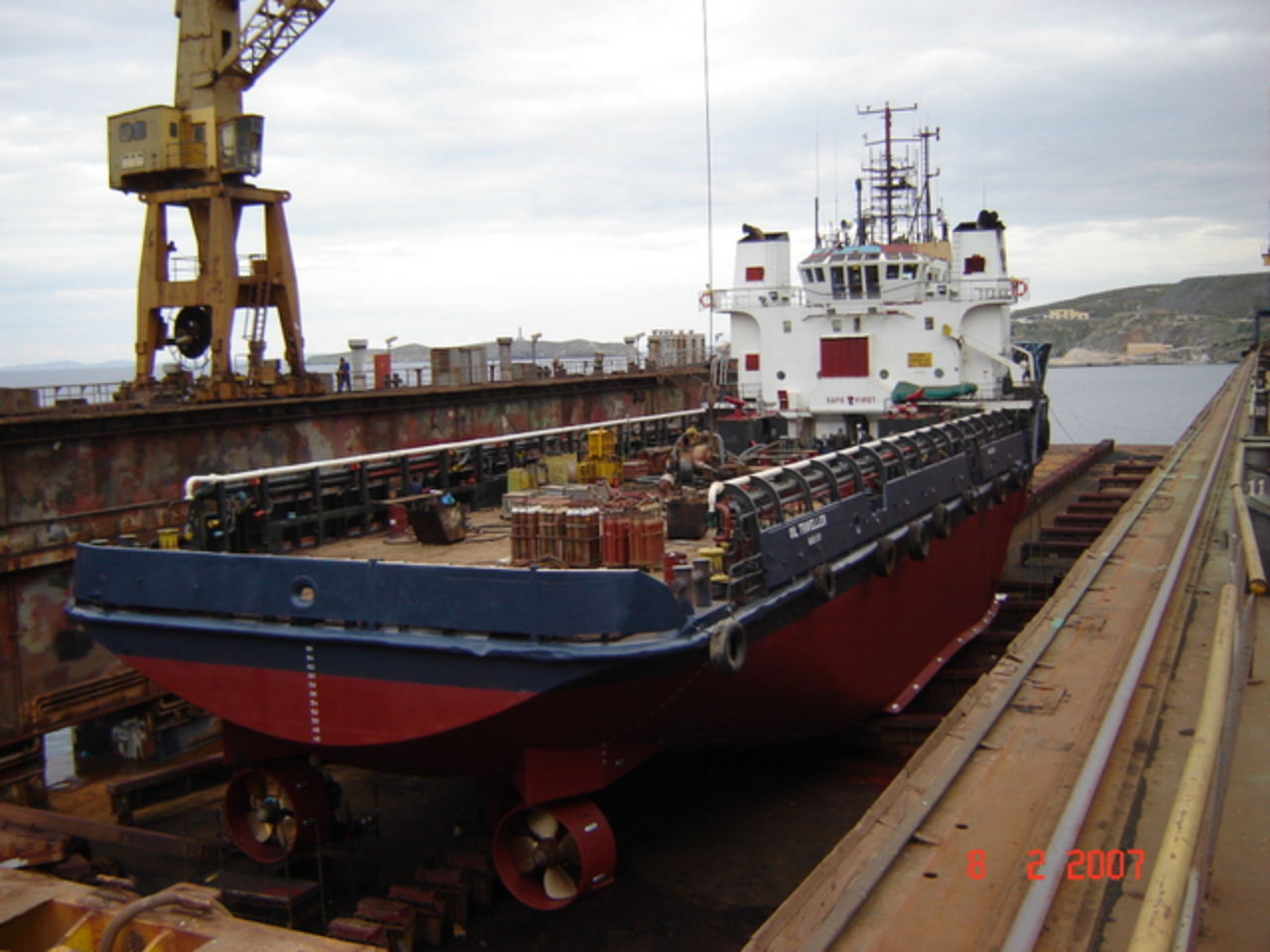
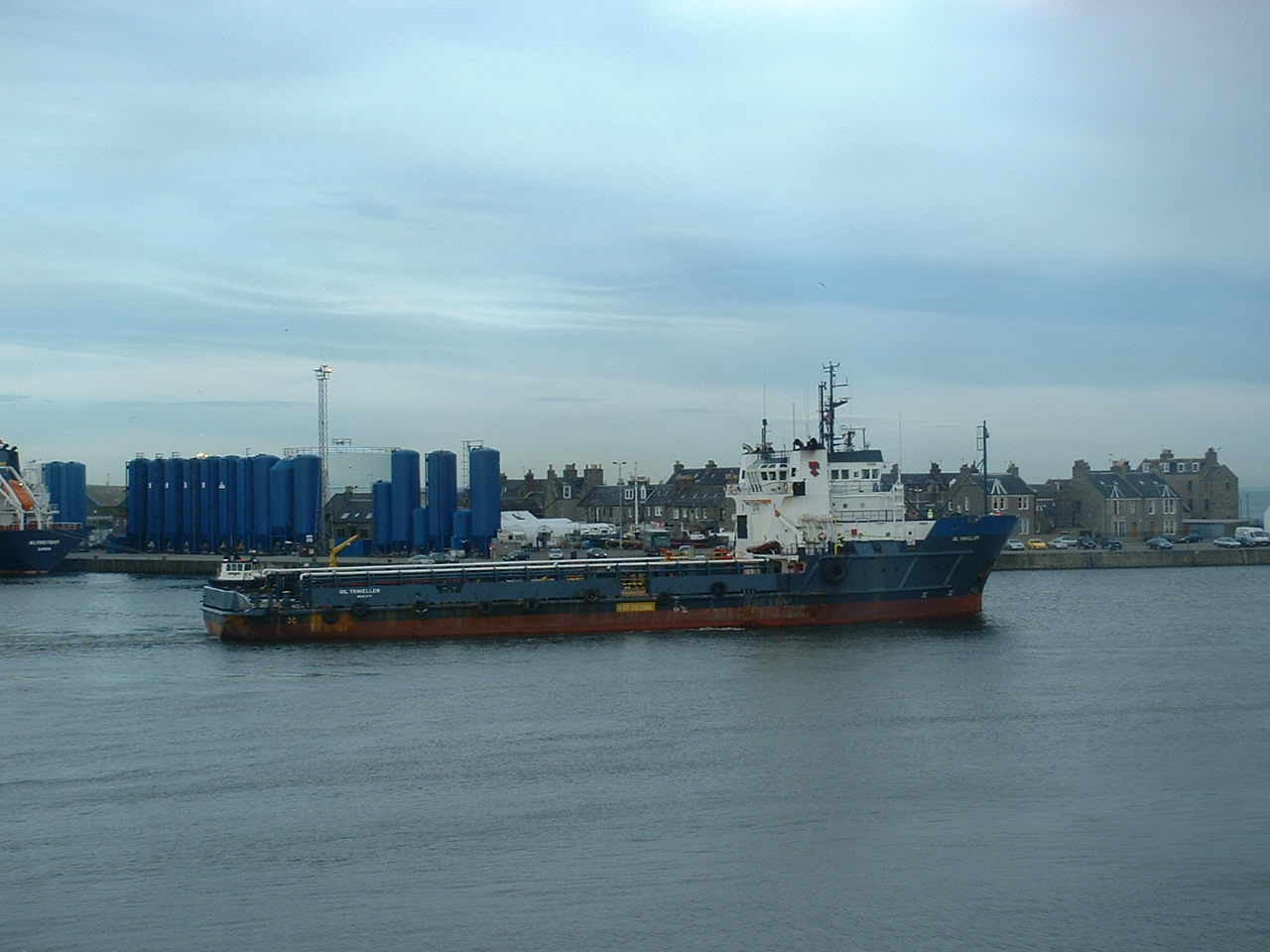
| TYPE: ME 202 | NAME: Oil Traveller | PHOTO: Dubravko Eliz, George Craigen | |||
 |
 |
 |
|||
| GENERAL | PROPULSION | CARGO CAPACITY | |||
| Length OA | 67.2 m | Engines | 4 x Wartsila 8R22 | Fuel | 1020 m3 |
| Breadth | 16.8 m | BHP/kW | 6960/5120 | Pot water | 1155 m3 |
| DWT | 2959 t | For'd Thrusters | 2 x 900 bhp | Mud | 124 m3 |
| Deck area | 572 m2 | Az Thruster | - | Base oil | - |
| Aft Aziprops | 2 x 2000 bhp | Brine | - | ||
| Year built | 1983 | Joystick | Poscon | Dry bulk | 398 m3 |
| Shipyard | Liaaen Skipsverft | DP | - | Tank Cleaning | - |
| Previous names | Atlantic Rolgo, Atlantic Denholm, Loch Carron | ||||
| Comments | - | ||||